
"African coffee culture"
1000 article(s) found
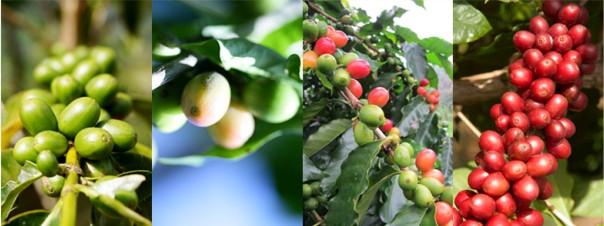
African boutique coffee farm Ethiopia Yega Fischer kochere washing G2
Cochel is located in a small producing area 25 kilometers southeast of Yegashafi, Ethiopia. It is a rich area for coffee production. It is also one of the three famous and micro-producing areas of Yegashafi. It has about 100,000 local residents, and coffee beans are the main source of income. The processing and processing equipment in this area is very advanced. CoffeeReview, a well-known coffee evaluation website, gave Kocher a high rating of 94 points for washed beans.

ONIBUS COFFEE, a popular cafe in Tokyo, shares the golden proportion of hand-brewed coffee.
Exchange of professional baristas Please follow the Coffee Workshop (Wechat official account cafe_style) by setting up a coffee shop to put forward a proposal for a good life in order to promote coffee culture, go to African coffee producing areas to pick beans and choose beans, in a down-to-earth way step by step, and implement his professional-like coffee beliefs. Hiroshi Sakao, who used to work in Paul Bassett, Australia, is fascinated by the local exquisite coffee culture.
African Coffee Sun Yega Xuefei Adodo adado Ethiopia Guido Gedeo producing area G1
Adado (Adoto) is an amazing trace producing area of Yega Xuefei. When you open the bag, the air is filled with a lot of blueberry and vanilla aroma, after baking and grinding release, the aroma will explode again, this is a veritable blueberry bomb. The first rich blueberry flavor is accompanied by a hint of well-balanced acidity, a typical sunny coffee. The cup is sweet, soft and delicate.

A brief introduction to the history and culture of the origin and development of Sidamo Shakiso boutique coffee beans
The highlands of western Ethiopia have given birth to new varieties of coffee that are resistant to fruit disease or leaf rust. Ethiopia has many world-famous types of coffee. Some of the main types of coffee are famous for their unique aroma and flavor, including the following: Limu coffee, which grows between 1400 and 2000 meters above sea level.

A brief introduction to the history and culture of the origin and development of fine coffee beans in Cochell Manor with acid and citrus flavor.
These mountain villages are foggy, like spring all year round, with a gentle breeze in summer, cool but not hot, rain but not damp, and no cold damage in winter, giving birth to a unique regional flavor of citrus and flowers. Coffee trees are mostly planted in farmers' backyards or mixed with other crops in their fields to talk about Ethiopia, so let's talk about the origin of coffee first. in about the sixth century, there was an Arab shepherd.

A brief introduction to the Origin, Development, History and Culture of Sidamo Shakiso Fine Coffee beans
Shakisso/Shakiso, located in the Guji producing area of Sidamo, is one of the micro-producing areas with regional characteristics in the Sidamo producing area. The coffee in this region is quite unique, and the coffee produced has often attracted the attention of the market. The original meaning of Ninety Plus's legendary bean (nekisse) comes from Nectar from shakisso, its producing area.

A brief introduction to the Origin, Development, History and Culture of Sidamo Shakiso Fine Coffee beans
Ethiopian coffee beans grow in close to the natural environment, after years of planting under the same growth conditions, Ethiopian coffee beans have gradually adapted to the environment here. More than 60% of coffee beans are grown in forests or semi-forests. Large-scale coffee-growing villages account for about 35% of the country's total coffee production. Many of these are used.

A brief introduction to the Origin, Development, History and Culture of Sidamo Fine Coffee beans
Light-baked Yirgacheffe, roast over low heat for 15 minutes, turn off the heat and glide for half a minute, then cool the beans and blow off the silver skin. The coffee beans are roasted evenly (because the raw beans are washed and clean) and brown. When using hand coffee grinding, it feels good, smooth and moderate resistance. The dry aroma of coffee powder is a little earthy at first, right away.

Read African, American, Asian specialty coffee beans flavor characteristics Coffee beans flavor differences
Professional coffee knowledge exchange More coffee bean information Please pay attention to coffee workshop (Weixin Official Accounts cafe_style) Coffee flavor problem puzzles many students, so many flavors on the flavor table, how can I not drink it ~~ After all, not everyone has professional feelings, or I drink not peach flavor, but plum flavor, the reason for such differences, is cultural life

History, culture and story allusions of sacred boutique beans in Arusha Coffee Manor, Tanzania
For the exchange of professional baristas, please follow the coffee workshop (Wechat official account cafe_style) Arusha Coffee Manor in Tanzania the history, culture, stories and allusions of coffee is called Kahawa kahawa in Tanzania, although it is not as famous as Kenya in the coffee industry, but its annual output is almost the same as in Kenya, mainly through competitive bidding and direct sales.

A brief introduction to the History and Culture of the Origin and Development of Hawaiian Coffee Kona Fine Coffee
If you think your coffee is too thick, African coffee is too sour, Central and South American coffee is too rough, then Kona may be suitable for you. Kona is like a girl walking in the Hawaiian sunshine breeze, fresh and natural. Kona coffee beans are average and neat in shape, with strong sour and sweet taste, moist and smooth taste. Because it grows on volcanoes and has high-density artificial farming, so

A brief introduction to the origin, development, history and culture of meticulous and elegant Sidamo coffee beans
Bake the medium-deep baked Yirgacheffe over low heat for 17 minutes, turn off the heat and glide for half a minute, then cool the beans and blow off the silver skin. there is a slight oil on the surface of the coffee beans and the beans are black and brown. The beans are very light, and the resistance is very high when using hand coffee grinding.

Coffee growing history of Lake Kivu, Congo, an African coffee growing region? Raw bean treatment of Congolese coffee
Professional coffee knowledge exchange more coffee bean information please follow the coffee workshop (Wechat official account cafe_style) African coffee growing history of Lake Kivu in Congo? How to handle raw beans of Congolese coffee? The Democratic Republic of the Congo, known as the Democratic Republic of the Congo (DRC), runs through the north of the equator and is mainly located in central Africa across the Congo River from another Congo.

The Development of Coffee
African shepherds discovered strange coffee fruits on the plateau in about 500 AD. Since then, humans have known coffee. Coffee was planted in Arabian Peninsula and used as medicinal and religious feed in 1554. Coffee was introduced into Europe from Venice, Italy. The colorful European coffee culture began to be born in 1616. Coffee was spread to the Netherlands from the port of Mocha.

Information on the origin of Kilimanjaro coffee, steps to determine whether Kilimanjaro coffee beans are fresh
Following caf é (Wechat official account vdailycom) found that Beautiful Cafe opened a small shop of its own. Mount Kilimanjaro is located about 160km south of northeast Tanzania and the Great Rift Valley, 225km south of Nairobi, between the equator and latitude 3, the watershed between Tanzania and Kenya, the highest mountain range in Africa and a volcano.

Africa's most famous Kocher estate boutique coffee beans origin and development history and culture brief introduction
These mountain villages are foggy, spring all year round, cool but not hot in summer, rain but not damp in winter, and they breed unique regional flavors of citrus and flowers. Coffee trees are grown mostly in farmers 'backyards or mixed with other crops in their fields. Let's start with Ethiopia. Around the sixth century AD, there was an Arab shepherd.

A brief introduction to the origin, development, history and culture of Sidamo boutique coffee beans with refreshing characteristics.
The Sidamo producing area is located in southern Ethiopia, extending to the districts of Arsi and Bale in the east and Gamogofa in the west, where agriculture is the main industry, and coffee is mainly grown around the Great Rift Valley (Great Rift Valley) of East Africa. The largest town in Sidamo is Hawassa, which has developed rapidly in recent years. Many modern restaurants and hotels have been set up.

A brief introduction to the history and culture of the origin and development of Burundi Luo boutique coffee beans with almond aroma.
Burundi coffee was introduced by Belgian colonists in 1930. Unfortunately, many of these farms are on the border with war-torn Rwanda, putting pressure on coffee production. Coffee production in Burundi: Burundian coffee is now grown only on small farms. Almost all the coffee produced in Burundi is Arabian coffee beans.

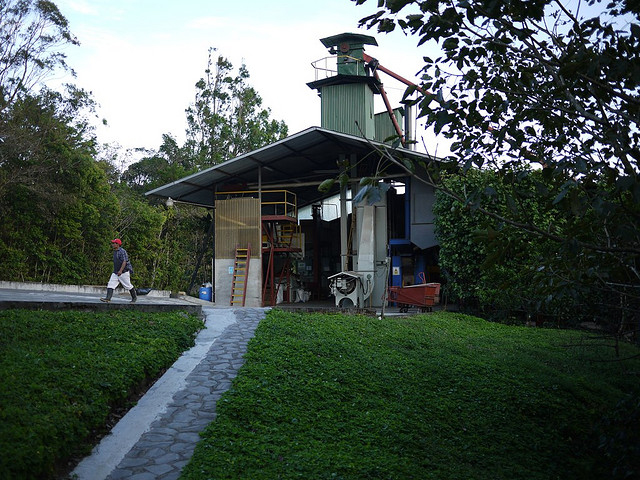
Kochel, an African boutique manor, is located in Ethiopia, Ethiopia and washed with water.
Cochel is located in a small producing area 25 kilometers southeast of Yegashafi, Ethiopia. It is a rich area for coffee production. It is also one of the three famous and micro-producing areas of Yegashafi. It has about 100,000 local residents, and coffee beans are the main source of income. The processing and processing equipment in this area is very advanced. CoffeeReview, a well-known coffee evaluation website, gave Kocher a high rating of 94 points for washed beans.

Brief introduction of Coffee cultivation in Coffee Chimere Manor of Rwanda, African Coffee producing country, Climate and altitude
But in any case, the soft and full-bodied taste of the country's coffee is great, with the improvement and improvement of Rwandan coffee, its quality has also made a qualitative leap. In the 2008 COE contest held by the American Fine Coffee Association SCAA, Arnomega, Rwanda, beat the Blue Mountain 1 of Jamaica and Mantenin G1 of Sumatra to defend the title. Rwanda